ServicesDrywall Hanging
Drywall Hanging in New Rochelle
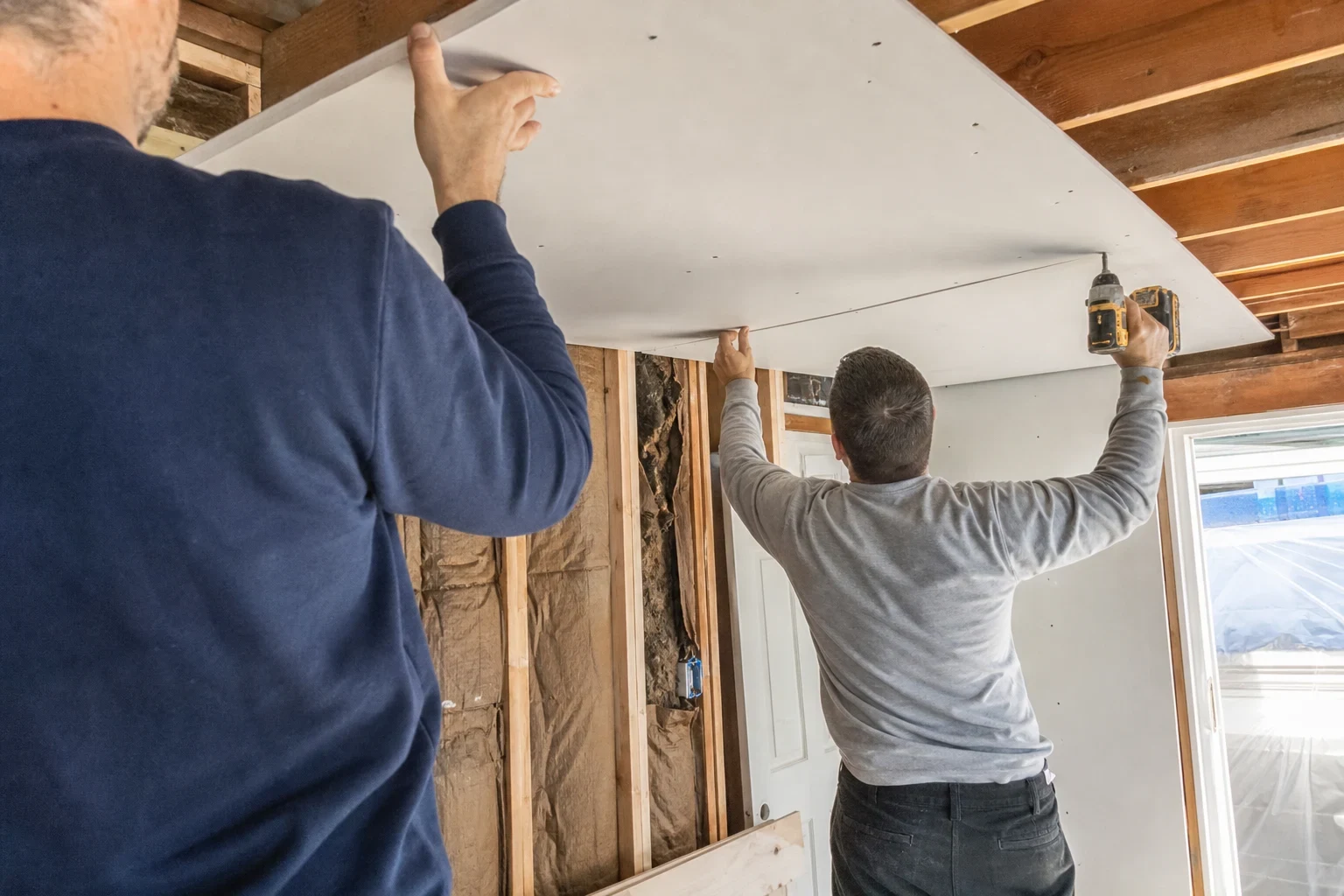
New walls and ceilings start with sheets put up the right way. We pick the board for each room, set every screw at the proper spacing and keep joints away from the spots that crack. Careful hanging keeps a wall flat and solid for the next twenty years.
What Drywall Hanging Covers
Hanging is the part where the sheets go up on the framing. It covers a finished basement, a wall that came out after water damage, an old plaster ceiling being replaced, or a room addition that needs closing in. If you only have a hole or a dent, our drywall patching or drywall repair pages are a better fit.
Most cracks we get called back to fix on other people's work start here, not in the finishing. Joints lined up with the corners of doors and windows. Screws spaced too far apart on a ceiling. Board that is too thin for the span. We hang every sheet with the next decade in mind, so the walls need less upkeep down the road.
Once the board is up, we move straight into taping and mud. You can read more about that on our drywall finishing page.
What's Included When We Hang Drywall
- Checking the framing first
- We look at studs and joists before a single sheet goes up. Bowed or twisted lumber gets shimmed or flagged. Board screwed to crooked framing will show it forever.
- The right board for each room
- Half-inch board for most walls. Five-eighths on ceilings, since it resists sagging between joists. Moisture-resistant board in bathrooms and laundry areas, and fire-rated board where code calls for it, like a garage wall shared with living space.
- Layout that limits cracks
- We run sheets to keep joints few and staggered. We cut around door and window openings instead of landing a seam at the corner, which is where most cracks start.
- Proper fastening
- Screws go in at the spacing the board calls for, set just below the surface without tearing the paper. Ceilings get tighter spacing and adhesive where it helps.
- Cutouts and edges
- Outlets, switches, vents and light boxes are cut clean. We leave a small gap at the floor so the board doesn't wick moisture or crack when the house moves.
- Clean work area
- We cover floors, bag scraps as we go and sweep up at the end of each day. You won't find drywall dust tracked through the rest of your home.
Signs It's Time for New Drywall
Water got into the wall
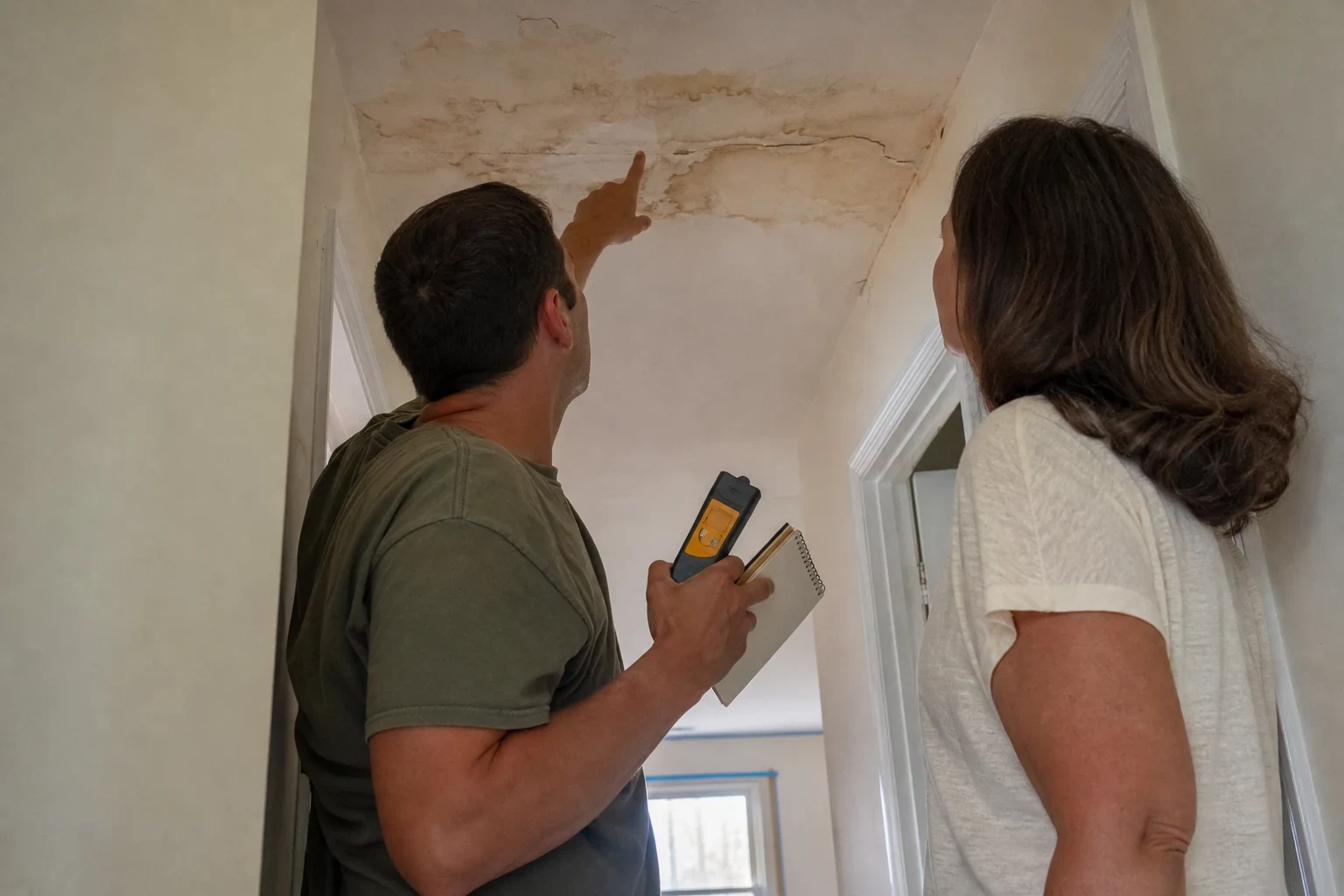
After a pipe leak or a flood in the basement, soaked board loses its strength and can grow mold behind the paper. Cutting it out and hanging new sheets is the only fix that lasts.
Plaster that keeps failing
Many older homes around Westchester still have plaster and lath. When it bulges, crumbles or keeps cracking after repairs, hanging drywall over or in place of it can end the cycle.
A ceiling that sags
Ceiling board that dips between joists was often hung too thin or fastened too far apart. Patching won't fix sag. New board, hung right, will. Our ceiling repair page covers smaller ceiling problems.
Open framing from a project
An unfinished basement, an attic room or a new partition wall needs board hung before anything else can happen.
Damage too big to patch
When a wall has several large holes or long stretches of soft, crushed board, a full sheet is cleaner and stronger than a row of patches.
What Moves the Price
Every hanging job is priced from the actual square footage and conditions we find on the walkthrough. We list each part of the job on the estimate so you can see where the money goes. These are the things that move it most.
Square footage and ceiling height
More board means more material and more hours. High ceilings and stairwells need scaffolding or extra hands to lift sheets safely.
Type of board
Moisture-resistant and fire-rated board cost more than standard sheets. We only use them where the room calls for it.
Demolition and haul-away
Tearing out wet drywall or old plaster and lath adds labor and disposal. Plaster is heavy and dusty, so it takes longer to remove cleanly.
Framing condition
Straight, sound framing hangs fast. Crooked studs, missing blocking or uneven joists take shimming and extra time before the board can go up.
Access and cutouts
Tight hallways, upper floors and rooms full of outlets, vents and windows take more cutting and careful handling.
How a Hanging Job Runs
- 1
Walkthrough and measuring
We look at the space, check the framing and measure every wall and ceiling. We tell you which board goes where and why, and give you a written estimate.
- 2
Prep and protection
On day one we cover floors and furniture, set up a clean work area and move anything that's in the way. If old board or plaster has to come out, we take it down and haul it away.
- 3
Ceilings first, then walls
We hang ceilings before walls so the wall sheets help hold the ceiling edges. Each sheet is checked for flatness and fastening before we move on.
- 4
Walkthrough before finishing
When the board is up, we walk it with you. Then we start taping and mud, or hand off to whatever comes next in your project.
Drywall Hanging Questions
Do you also tape and finish the drywall you hang?
Yes. Most of our hanging jobs roll right into taping, mud and sanding. Doing both means one crew is responsible for how the wall turns out. You can read about that work on our drywall finishing page.
How long does it take to hang drywall in one room?
Hanging a typical bedroom usually takes about a day once the framing is ready. Finishing takes longer because each coat of mud has to dry before the next. We give you a realistic schedule at the walkthrough.
Can you hang drywall over old plaster?
Often, yes, as long as the plaster is solid and attached. We screw through into the framing, not just the plaster. If it's loose or crumbling, we'll tell you it needs to come out first and explain why.
Do I need a permit for new drywall?
Replacing drywall on its own often doesn't need one, but larger projects like finishing a basement or moving walls usually do. Rules depend on the scope of the work. We'll talk it through with you before we start so there are no surprises at inspection time.
Why do you use thicker board on ceilings?
Five-eighths board is stiffer than half-inch, so it holds its shape between joists instead of sagging over time. It costs a little more, but it saves you a ceiling repair years from now.
Ready to Close Up Those Walls
Tell us what room you're working on and what's behind the old board. We'll set up a walkthrough and give you a written estimate. We work in New Rochelle and nearby towns like Pelham, Larchmont and Mamaroneck.