ServicesDrywall Repair
Drywall Repair in New Rochelle
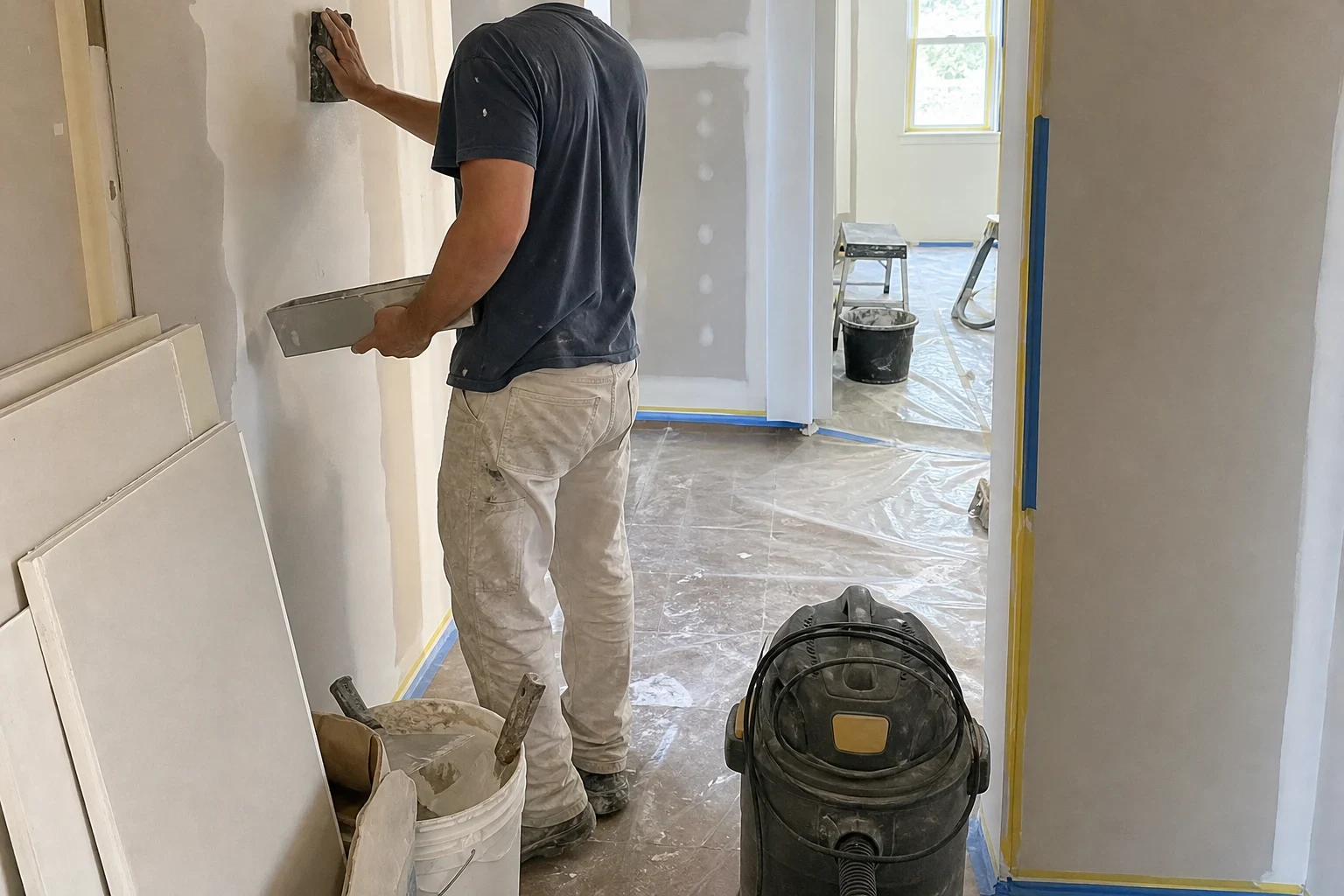
Most damaged drywall does not need to be torn out. We find what caused the damage, cut out only what is bad, and rebuild the surface so the repair holds and blends in. Your walls stay in service longer, and you pay for less new material.
Repair what you have before you replace it
Drywall is tough when it is kept up. Trouble starts small: a doorknob hole, a crack over a door, tape lifting at a seam. Left alone, those spots spread. Fixed early, the wall can last as long as the house.
Drywall repair is the right call when the board is mostly sound and the damage is limited to a section. We open up what needs it, check the framing behind it, and close it back up with new board, tape and compound. If a whole wall is too far gone, we will tell you plainly, and drywall hanging becomes the better option.
For small dents and nail holes, our drywall patching page covers the quicker fixes. This page is for repairs that go a little deeper.
What a drywall repair includes
- 01
Tracking down the source
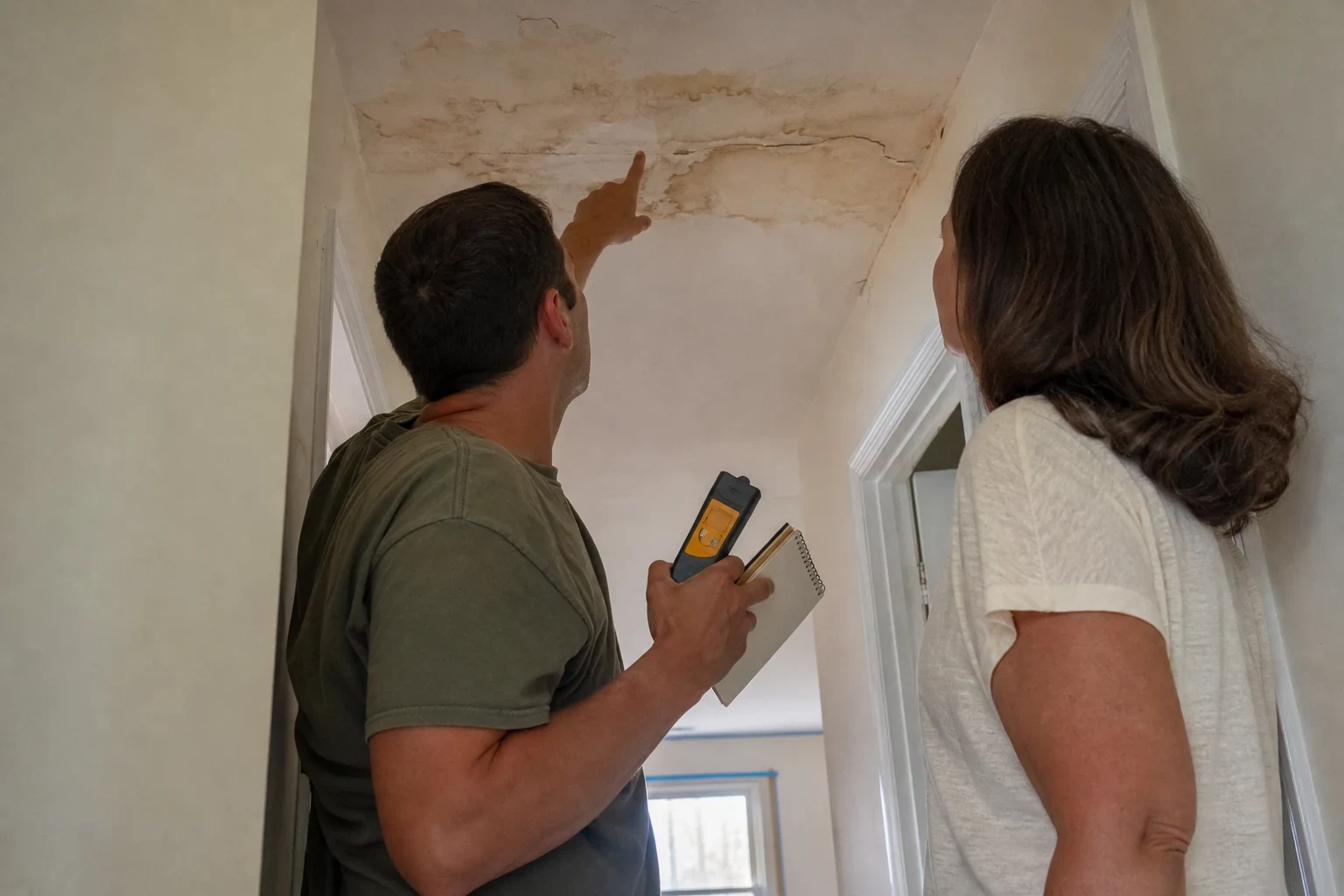
We start by asking why the wall broke in the first place. A slamming door, a loose stud or an old leak will undo any patch, so we deal with that before any compound goes on.
- 02
Cutting back to solid board
We cut out soft, crumbly or stained drywall until we reach clean, firm material. Patching over weak board is how repairs fail a year later.
- 03
Backing and new board
We add wood or metal backing where the opening needs support, then fit a new piece of drywall that matches the thickness of the wall.
- 04
Tape, compound and sanding
Seams get taped and coated in several thin layers, with sanding between coats. Thin coats dry harder and shrink less than one heavy coat.
- 05
Texture matching and primer
If your wall has a texture, we match it so the patch does not stand out. Bare compound gets primed so it takes paint evenly.
- 06
A clean work area
We cover floors and furniture, contain dust as we sand, and vacuum before we leave.
Questions about Drywall Repair?
Call(914) 730-4312Signs your drywall needs repair
Cracks that return
If you have filled the same crack more than once, the joint or the board behind it has moved. It needs to be reinforced, not just filled again.
Popped screws or nails
Small round bumps in a line mean fasteners have backed out. Dry heated winters and humid summers make framing move, and the screws follow.
Soft or stained spots
Drywall that feels spongy or shows a brown ring has taken on water. Once the leak is fixed, that section should come out.
Bubbling or loose tape
Tape that lifts at a seam was not bedded well. It will keep peeling until it is cut out and redone.
Holes larger than a fist
Anything that size needs backing and a new piece of board. Spackle alone will sink or crack.
How the job goes
- 1
Talk it through by phone
Tell us what you see and where. We will ask about the size, the room and any past leaks so we know what to bring.
- 2
Look at the wall in person
We check the damage and what is behind it, then give you a written estimate that lists the work line by line. If replacing makes more sense than repairing, we say so.
- 3
Prep and repair
We protect the room, cut out the damage, install backing and new board, and apply the first coats of compound.
- 4
Finish and clean up
Drying time between coats means most repairs take more than one visit. We sand, match texture, prime, and leave the room clean. Paint touch-ups can follow if you want the spot fully blended.
What affects the price of drywall repair
Every repair is priced on what we find, not a flat guess. The written estimate shows each part of the job, so you know what you are paying for before we start. Here is what moves the number most.
- Size and number of spots
- One hole behind a door is a short job. Several areas in different rooms take more setup, more material and more trips.
- What is behind the wall
- Damaged framing, old water damage or missing backing adds work. We show you what we find before doing anything extra.
- Ceiling or wall
- Overhead work is slower and needs more setup. Our ceiling repair page explains those jobs in more detail.
- Texture and finish level
- A smooth wall in raking light needs more coats and sanding than a textured one. Matching an older texture takes extra time to get right.
- Access and room contents
- Stairwells, high walls and full rooms take longer to protect and work around.
Drywall repair questions
Can you match my existing wall so the repair does not show?
Yes, that is most of the work. We feather the compound out wide, match the texture, and prime the patch. Older walls in many homes around New Rochelle have hand-applied textures, so we test on a scrap first when needed.
How long does a repair take?
Small repairs can be done in a couple of short visits. Compound has to dry between coats, and rushing it causes shrinking and cracks later. We will give you a realistic schedule with the estimate.
Do you fix water-damaged drywall?
We do, once the leak has been stopped by whoever handles that. We cut out the wet or stained board, let the cavity dry, and replace it. Repairing over a live leak just wastes your money.
Will you work with my insurance claim?
We can photograph the damage and give you a written, itemized estimate to send to your insurer. We are not the adjuster and cannot tell you what your policy covers, but we can explain what the repair involves.
Do you paint after the repair?
We prime every repair. If you have leftover paint or know your color, we can do paint touch-ups on the repaired area so it blends with the rest of the wall.
Get the wall fixed before the damage grows
A small repair now keeps the rest of the wall in good shape. Tell us what happened and where, and we will plan the visit.